Mission
15th test flight of the two-stage Starship launch vehicle and 4th flight of Starship V3. Second Starship flight to deploy satellites (a group of Starlink satellites known as Starlink Group 31-2) into stable Low Earth Orbit and first ever to attempt returning the Starship 2nd stage back to the launch site.
The ship is expected to fly at an altitude approximately 275 km above Earth and complete approximately 14 orbits around the planet for more than 22 hours, with the ship expected to attempt returning back to Starbase, Texas on its launch pad by pad arms catching.
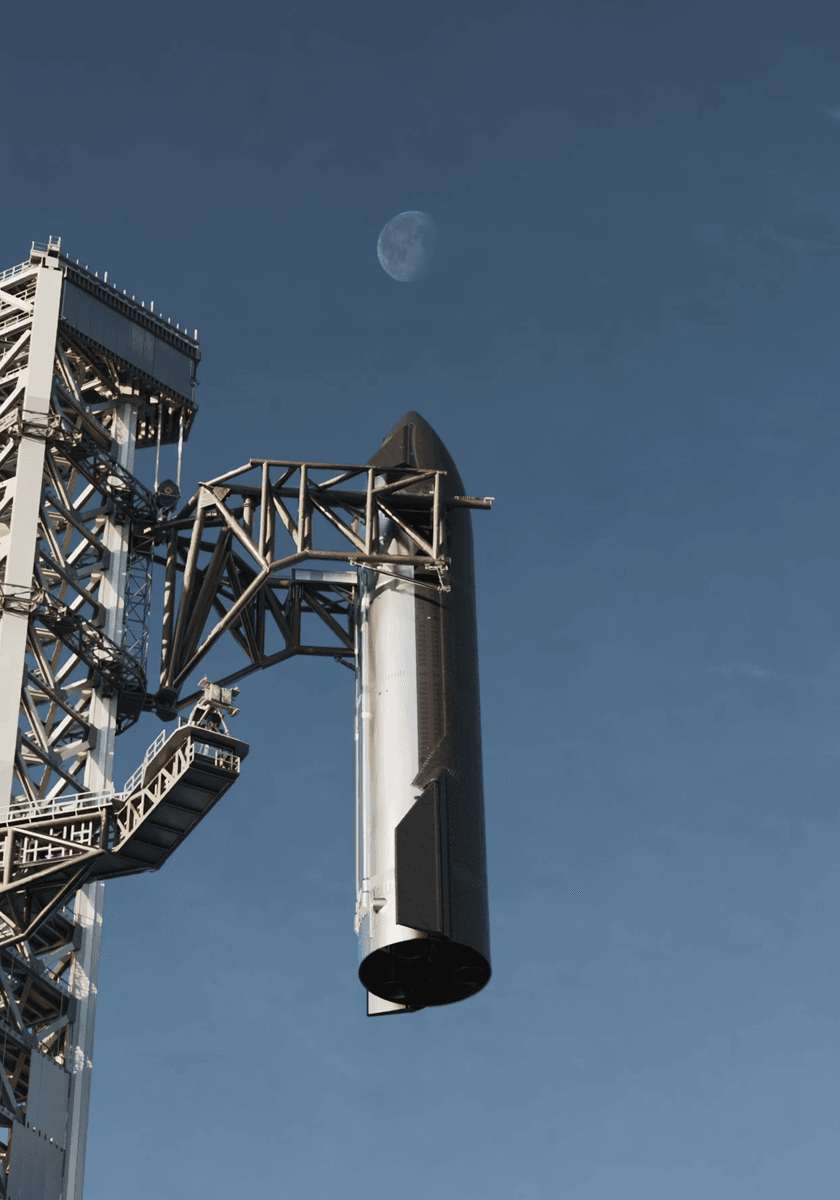
The booster’s primary test objective on Flight 15 will be executing a successful launch, ascent, stage separation, boostback burn, and landing by pad arms catching. This will also be the 1st Starship V3 booster to attempt returning to its launch site.
Starship will deliver 26 Starlink V3 satellites to orbit for the second time, which aim to greatly expand the network’s capacity and user speeds. Each Starlink V3 satellite will add 1 Tbps of capacity to the constellation. 3 of the satellites have been modified with a suite of cameras to scan Starship’s heatshield and transmit imagery down to operators.
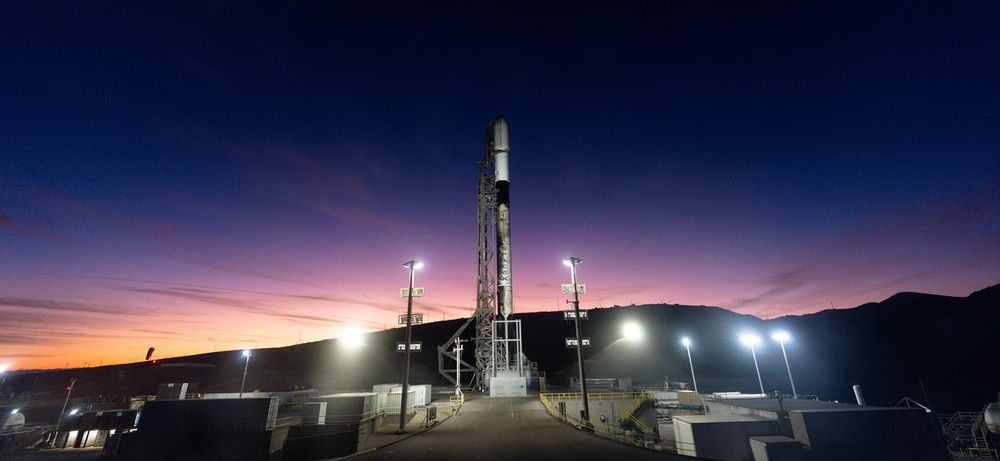
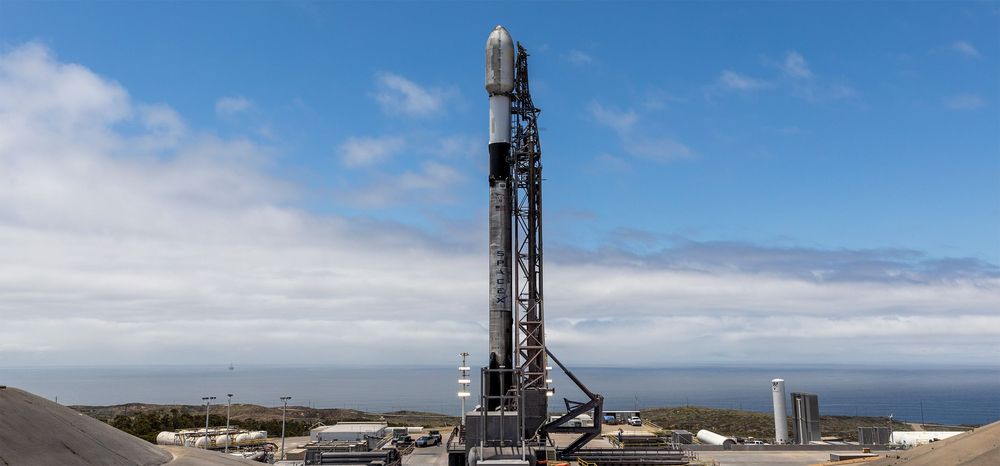
Starship Flight 15 will lift off from Orbital Launch Pad 2 at Starbase in Texas. Following stage separation, Super Heavy will return to Orbital Launch Mount B (OLM-B). Ship 42 will attempt to return to its launch site at Starbase.
Mission briefing from SpaceX
Flight 15 of Starship is preparing to launch as soon as Friday, November 13, pending regulatory approval. The 75-minute launch window will open at 4:45 p.m. CT.
A live webcast of the flight will begin about 30 minutes before liftoff, which you can watch here and on X @SpaceX. Coverage is planned to continue through ship catch, with the potential for hours of live views from Starship as it orbits Earth, powered by Starlink. As is the case with all launches, the schedule is dynamic and likely to change, so be sure to check in here and stay tuned to our X account for updates.
The upcoming flight is planned to be the first to return both Starship and Super Heavy to the launch site for catch. If successful, this will mark the first full recovery of an orbital launch system and a breakthrough moment in making Starship a reliable, rapidly reusable rocket.
Starship’s initial return to launch site mission is expected to orbit the Earth at an altitude of ~275 km and complete approximately 14 orbits around the planet over the course of a more than 22-hour flight. Similar to Starship’s first orbital mission, the flight profile has been designed with the opportunity to insert into a passively safe suborbital trajectory or safely deorbit at multiple pre-determined areas over the ocean after raising to an orbital altitude. Read more about the testing, mission design, and safety measures for first planned Starship catch.
Starship’s previous mission was the culmination of more than a dozen flight tests and years of development, sending Starship to orbit and deploying meaningful payloads to space for the first time. Watch “Go For Orbit”, the latest episode in the ongoing Starship series experience the moments behind flying the most ambitious Starship mission yet.
The booster’s primary objective on Flight 15 will be executing a successful launch, ascent, stage separation, boostback burn, and return to the launch site for catch. This will be the first return and catch attempt for a Super Heavy V3 booster. Three V1 boosters were successfully caught on earlier flight tests with two demonstrating successful reflights.
The Starship upper stage’s primary objectives include the deployment of 26 Starlink V3 satellites and the first return to launch site and catch at Starbase. Starship will only execute a return to launch site if the flight control team has ensured that the vehicle systems critical for reentry maneuvers and final landing burn and tower approach are healthy.
Starship will deliver 26 Starlink V3 satellites to orbit, which aim to greatly expand the network’s capacity and user speeds. Each Starlink V3 satellite will add 1 Terabit of capacity to the constellation, with all 26 satellites equaling ~10 Starlink V2 Mini launches on Falcon 9.
After deploying from Starship, the Starlink V3 satellites will unfold their antennas and deploy their solar arrays and make initial contact with the ground and the rest of the Starlink constellation via radio frequency and laser links. The satellites will then begin raising their orbits with their onboard thrusters. Following their on-orbit checkouts, the satellites should begin serving customers as soon as a few weeks after launch.
Three of the satellites have been modified with a suite of cameras to scan Starship’s heatshield and transmit imagery down to operators. This method of analyzing Starship’s heatshield has been tested on previous flights and is one of several data sources to help inform Starship’s readiness to return to the launch site on Flight 15.
Starship’s heatshield will incorporate the improvements made on Flight 14 including additional retention mechanisms on tiles in areas deemed to be at highest risk of falling off during ascent and addressing areas with a flow path for plasma to get behind the tiles. The vehicle will also have a large portion of the heatshield equipped with a curved tile design that has shown the ability to reduce heating in the gaps between tiles.
- Liftoff
- 16:45 CST at the pad
- Window
- – 1 h 15 min
- Rocket
- Starship V3SpaceX
- Destination
- Low Earth Orbit
- Launch site
- Orbital Launch Pad 2, Starbase, Texas4th launch from this pad in 202646 days after the last
- Latest update
- Updated payload name.
22h32min
Mission duration
1st
Flight of Booster 22
127th
SpaceX launch of 2026
Countdown
All times approximate, in your time zone (CET)Timeline: SpaceX
- T minus 50 minutesSpaceX Flight Director conducts poll and verifies GO for propellant load
- T minus 35 minutes 33 secondsBooster LOX (liquid oxygen) load underway, Super Heavy
- T minus 35 minutes 30 secondsBooster fuel (liquid methane) load underway, Super Heavy
- T minus 35 minutes 12 secondsShip LOX load underway
- T minus 35 minutes 11 secondsShip fuel load underway
- T minus 21 minutes 40 secondsRaptor begins engine chill on booster and ship
- T minus 2 minutes 50 secondsBooster propellant load complete, Super Heavy
- T minus 2 minutes 10 secondsShip propellant load complete
- T minus 30 secondsSpaceX flight director verifies GO for launch
- T minus 17 secondsFlame diverter activation
- T minus 3 secondsBooster engine startup command, Super Heavy
- T minus 0 secondsExcitement guaranteed
Flight
From liftoff to splashdown
- Orbital Launch Pad 2
- OLM-B
- LiftoffT+00:00:00
- Max QT+00:00:58
- Hot stagingT+00:02:21
- Payload deployT+00:35:01
- SplashdownT+22:32:18
- Orbital Launch Pad 2
- OLM-B
- LiftoffT+00:00:00
- Hot stagingT+00:02:21
- Payload deployT+00:35:01
- SplashdownT+22:32:18
- Orbital Launch Pad 2
- OLM-B
- LiftoffT+00:00:00
- Max QT+00:00:58
- Hot stagingT+00:02:21
- Payload deployT+00:35:01
- SplashdownT+22:32:18
22 h 32 min from liftoffin your time zone (CET)
- T plus 0 secondsLiftoff
- T plus 58 secondsMax Q (moment of peak aerodynamic stress on the rocket)
- T plus 2 minutes 19 secondsSuper Heavy MECO (most engines cut off)
- T plus 2 minutes 21 secondsHot-staging (Starship Raptor ignition and stage separation)
- T plus 2 minutes 26 secondsSuper Heavy boostback burn start
- T plus 3 minutes 2 secondsSuper Heavy boostback burn shutdown
- T plus 6 minutes 10 secondsSuper Heavy landing burn start
- T plus 6 minutes 35 secondsSuper Heavy landing burn shutdown and catch
- T plus 8 minutes 9 secondsStarship engine cutoff
- T plus 26 minutes 10 secondsStarship orbital insertion burn start
- T plus 26 minutes 30 secondsStarship orbital insertion burn shutdown
- T plus 35 minutes 1 secondPayload deploy start
- T plus 1 hour 17 minutesPayload deploy complete
- T plus 1 hour 27 minutesEarly Hawaii Return Check
- T plus 7 hours 15 minutesMid Chile Return Check
- T plus 20 hours 41 minutesFinal Hawaii Return Check
- T plus 21 hours 35 minutesDeorbit burn start, Ship
- T plus 21 hours 36 minutesDeorbit burn shutdown, Ship
- T plus 22 hours 10 minutesStarship entry
- T plus 22 hours 29 minutesStarship is transonic
- T plus 22 hours 30 minutesStarship is subsonic
- T plus 22 hours 32 minutesLanding burn start, Ship
- T plus 22 hours 32 minutesLanding flip, Ship
- T plus 22 hours 32 minutesLanding burn 3 to 2 engines, Ship
- T plus 22 hours 32 minutesLanding burn 2 to 1 engine, Ship
- T plus 22 hours 32 minutesStarship landing burn shutdown and catch
Starship V3
SpaceXReusable3 launches since May 2026, 3 successful
Drag or use the arrow keys to turn it. Home resets the view.
- Super HeavyBooster 22
- ShipShip 42 (S42)
About Starship V3
Third development version of the Starship reusable two-stage super heavy-lift launch vehicle.
124.4m
Height
9m
Diameter
5,250t
Mass at liftoff
80.8MN
Thrust at liftoff
100t
Payload to low Earth orbit
Orbit estimated from CelesTrak’s elementsMeasured trackSpaceX’s predicted path
In orbit now
The crewed stations and Hubble, once around the Earth every 92 to 94 minutes
| Spacecraft | Altitude | Speed |
|---|---|---|
| ISSDocked: Soyuz MS-29, Crew-13In Earth’s shadow | 423km | 27,564km/h |
| TiangongDocked: Shenzhou-23In sunlight | 386km | 27,650km/h |
| Shenzhou-23In sunlight | 386km | 27,650km/h |
| Soyuz MS-29In Earth’s shadow | 423km | 27,564km/h |
| Crew-13In Earth’s shadow | 423km | 27,564km/h |
| HubbleIn sunlight | 468km | 27,489km/h |
Estimated for from CelesTrak’s orbital elements, up to 27 h old.